Digital Handshakes: Tracing How Transaction Channels and Query Networks Align Bonus Mechanics Across Portable Football Markets, Racecourse Feeds, and Table Game Interfaces
Sage Carter · Jun 12, 2026

Digital Handshakes: Tracing How Transaction Channels and Query Networks Align Bonus Mechanics Across Portable Football Markets, Racecourse Feeds, and Table Game Interfaces
Transaction channels in portable betting environments handle deposits, withdrawals, and real-time fund transfers while query networks manage data exchanges between operators and user devices, and these systems coordinate to trigger bonus mechanics in football markets, racecourse feeds, and table game interfaces. Operators configure application programming interfaces to verify payment confirmations before releasing promotional credits, which ensures bonuses activate only after successful transactions across mobile platforms.
Transaction Channel Structures in Mobile Betting Ecosystems
Payment gateways process requests from football betting apps by routing funds through encrypted tunnels that connect user accounts to banking partners, and these gateways communicate with backend servers that track eligibility for welcome bonuses or reload offers. Racecourse feeds integrate similar channels where bettors place wagers on live events, and the system cross-references transaction timestamps with race schedules to align promotional multipliers that apply during specific meetings. Table game interfaces in casino sections rely on the same infrastructure, where chip purchases trigger bonus spins or cashback percentages once the query network confirms the deposit amount meets threshold criteria.
Data from industry reports shows that synchronization between these channels reduces processing delays to under three seconds in optimized setups, which allows bonuses to appear instantly in user wallets. Observers note that operators test these alignments during peak hours to maintain consistency across regions, and regulatory updates scheduled for June 2026 emphasize standardized reporting on transaction success rates that affect bonus distribution.
Query Network Alignment with Bonus Triggers
Query networks pull live odds from football markets and match them against account activity logs to determine when a bonus becomes available, such as free bets after a minimum stake on a Premier League match. In racecourse environments the networks fetch feed data from timing systems at tracks, then verify that a user's transaction history qualifies them for enhanced odds or deposit matches tied to specific races. Casino table interfaces use these networks to monitor gameplay sequences, releasing loyalty points or bonus credits after a series of bets that the system records through continuous queries.
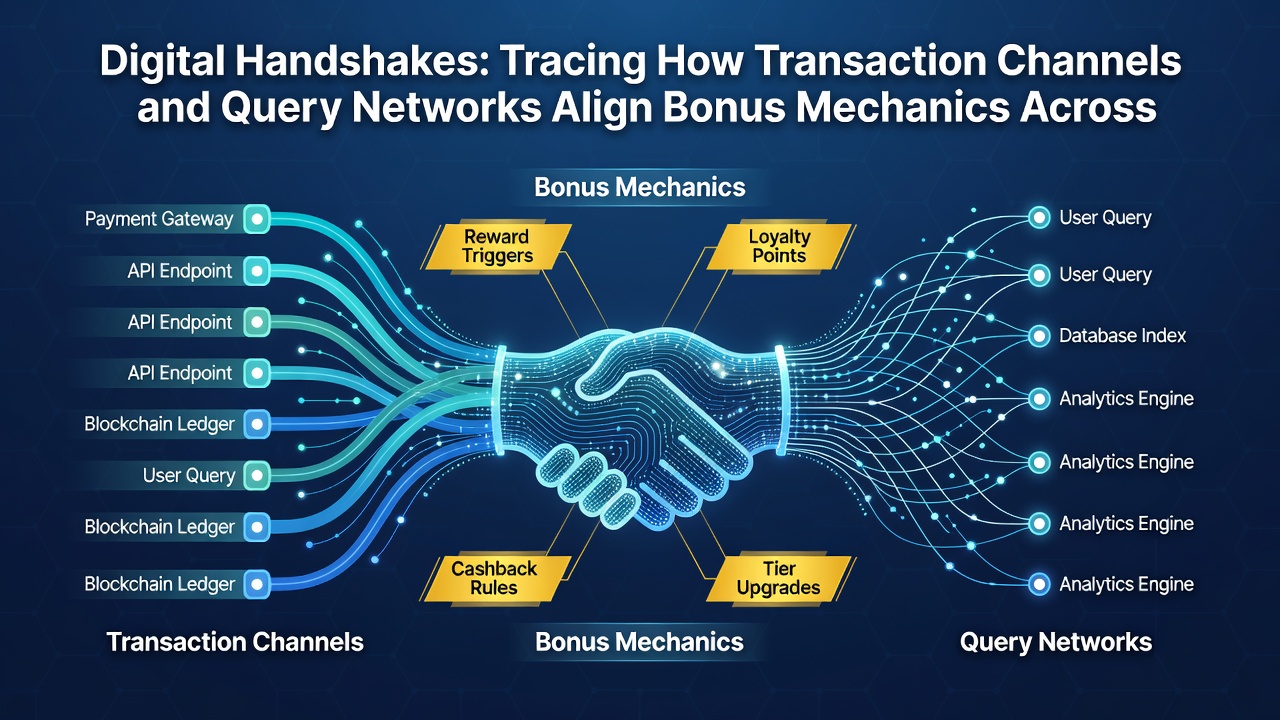
Studies from research institutions like the University of Nevada's gaming laboratory indicate that precise timing between transaction confirmations and network queries prevents duplicate bonus claims, and operators implement rate limiting to handle thousands of simultaneous requests without errors. Those who manage these platforms often adjust parameters when new game titles launch, ensuring the alignment holds across different device types and operating systems.
Cross-Market Integration Patterns
Portable football markets exchange data packets with racecourse feeds through shared middleware layers that standardize bonus eligibility rules, allowing a single deposit to unlock promotions usable in multiple verticals. Table game interfaces join this network via unified authentication tokens that carry transaction details forward, which means a verified payment in one section automatically populates bonus balances elsewhere. This interconnected approach appears in platforms where users switch between soccer accumulators, thoroughbred races, and blackjack tables without re-entering payment information.
According to figures from the Australian Communications and Media Authority, integrated systems like these support higher user retention when bonus mechanics respond within consistent timeframes, and developers refine the handshake protocols to accommodate seasonal events such as major football tournaments or international racing festivals.
Technical Standards and Security Measures
Secure socket layers protect the data exchanges that occur during each transaction-to-bonus handoff, while tokenization replaces sensitive account details with unique identifiers that query networks reference without exposing raw information. Operators conduct regular audits on these alignments to confirm compliance with data protection rules, and automated scripts flag discrepancies that could delay bonus releases. In June 2026, updates to cross-border payment regulations will require additional logging steps that affect how quickly networks can confirm transactions across football, racing, and casino products.
Examples from operational case studies reveal that platforms using redundant query paths maintain uptime above 99.5 percent even during high-volume periods, which keeps bonus mechanics functional when bettors move rapidly between markets. Developers incorporate fallback mechanisms that reroute requests if primary channels experience interruptions, preserving the alignment process.
Conclusion
Transaction channels and query networks form the backbone that aligns bonus mechanics throughout portable football markets, racecourse feeds, and table game interfaces by verifying payments and triggering promotions in coordinated sequences. Continued refinements to these systems support reliable operations as platforms expand their offerings, with upcoming regulatory shifts in 2026 expected to influence reporting standards around transaction accuracy and bonus delivery times.