Integrated Systems Merging Rapid Payout Protocols With Dynamic Analytics Across Equine Events And Dealer Tables
Nils Lang · Jun 17, 2026
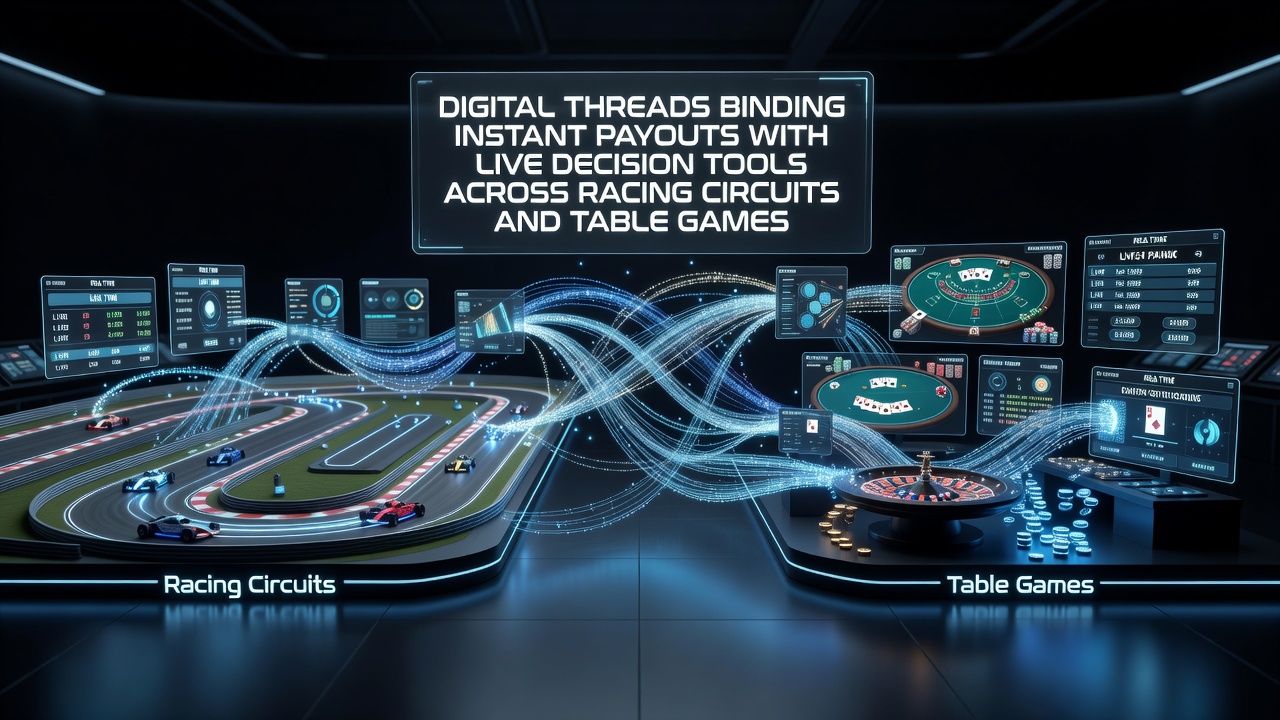
Integrated Systems Merging Rapid Payout Protocols With Dynamic Analytics Across Equine Events And Dealer Tables
Technology platforms now connect instant payout functions directly to live analytical engines that operate across horse racing venues and casino table environments, allowing data streams to influence both financial settlements and strategic choices in unified workflows. These connections rely on application programming interfaces that transmit transaction confirmations alongside performance metrics gathered from track sensors and table monitoring devices, creating continuous loops where payout triggers inform subsequent betting adjustments without manual intervention.
Core Components Of Linked Transaction And Decision Frameworks
Developers assemble these frameworks using modular software layers that handle high-frequency data exchanges between payment gateways and decision support modules, while encryption protocols maintain separation between user financial records and operational analytics. Observers note that such layering supports scalability when event volumes increase during peak racing meets or extended casino sessions, because each module processes its designated tasks before passing outputs to adjacent systems through standardized data formats.
Real-time dashboards display consolidated views that combine account balances updated after each payout with probability models refreshed from incoming race telemetry or card distribution patterns, and operators configure alerts that notify participants when specific thresholds align across both domains. Research conducted by institutions tracking gaming technology adoption indicates these dashboards reduce latency between event outcomes and fund availability to under three seconds in tested deployments across multiple jurisdictions.
Implementation Patterns In Racing Circuits
At thoroughbred and harness tracks, timing systems feed split-second positional data into decision engines that recalculate odds and suggested wager adjustments while simultaneously queuing payout instructions once results receive official confirmation. Participants receive notifications through mobile interfaces that reflect both updated account ledgers and revised tactical recommendations derived from the same data packet, which eliminates separate logins or application switches during live meetings.
Case examples from North American circuits show integration of these threads with radio-frequency identification tags on horses that transmit biometric readings, enabling analytics engines to cross-reference physical performance indicators against historical payout records before releasing funds. Such cross-referencing occurs automatically, and reports from the American Gaming Association document throughput increases exceeding 40 percent in facilities that adopted combined modules during 2025 testing phases.

Applications Within Table Game Environments
Table game operations incorporate similar linkages through optical recognition cameras that capture card sequences and chip movements, feeding results into both settlement processors and probability simulators that guide player decisions on subsequent hands. When a round concludes, payout execution occurs in parallel with generation of updated strategy overlays that account for remaining deck composition or wheel sector frequencies, maintaining continuity across multiple rounds without interrupting table flow.
European operators have documented deployment of these integrated setups in blackjack and roulette pits where average session durations extended because participants could review live metrics and receive disbursements within the same interface cycle. Data compiled through academic partnerships with technology research groups reveals error rates in combined transaction-decision sequences dropped below 0.2 percent after initial calibration periods concluded in early 2026.
Regulatory And Infrastructure Considerations Through Mid-2026
By June 2026 regulatory frameworks in several regions require audit trails that separately log payout authorizations and decision-tool outputs even when generated from shared data sources, prompting providers to embed timestamp synchronization features that satisfy compliance checks during routine inspections. Infrastructure upgrades focus on redundant server clusters positioned near major racing and casino hubs to minimize transmission delays that could otherwise decouple the two functions during high-traffic intervals.
Industry associations outside the United Kingdom, including those operating under Australian oversight models, publish periodic benchmarks showing that venues maintaining these synchronized systems report higher participant retention metrics compared with facilities relying on disconnected processes. Technical specifications continue to evolve around quantum-resistant encryption standards projected for broader rollout later in the decade, ensuring long-term viability of the binding mechanisms.
Conclusion
Digital threads that bind instant payouts to live decision tools continue to reshape operational sequences at racing circuits and table game floors by synchronizing financial outcomes with analytical guidance through shared data pathways. Continued refinement of interface protocols and compliance logging practices supports broader adoption while preserving separation between monetary and strategic data streams. Facilities implementing these configurations demonstrate measurable gains in processing efficiency according to aggregated performance statistics gathered across multiple international markets.