Line Lockdown: Mobile Odds Scanners Fueling Sharper Plays in Soccer Showdowns, Track Duels, and Dealer Deals
Sage Carter · Apr 6, 2026
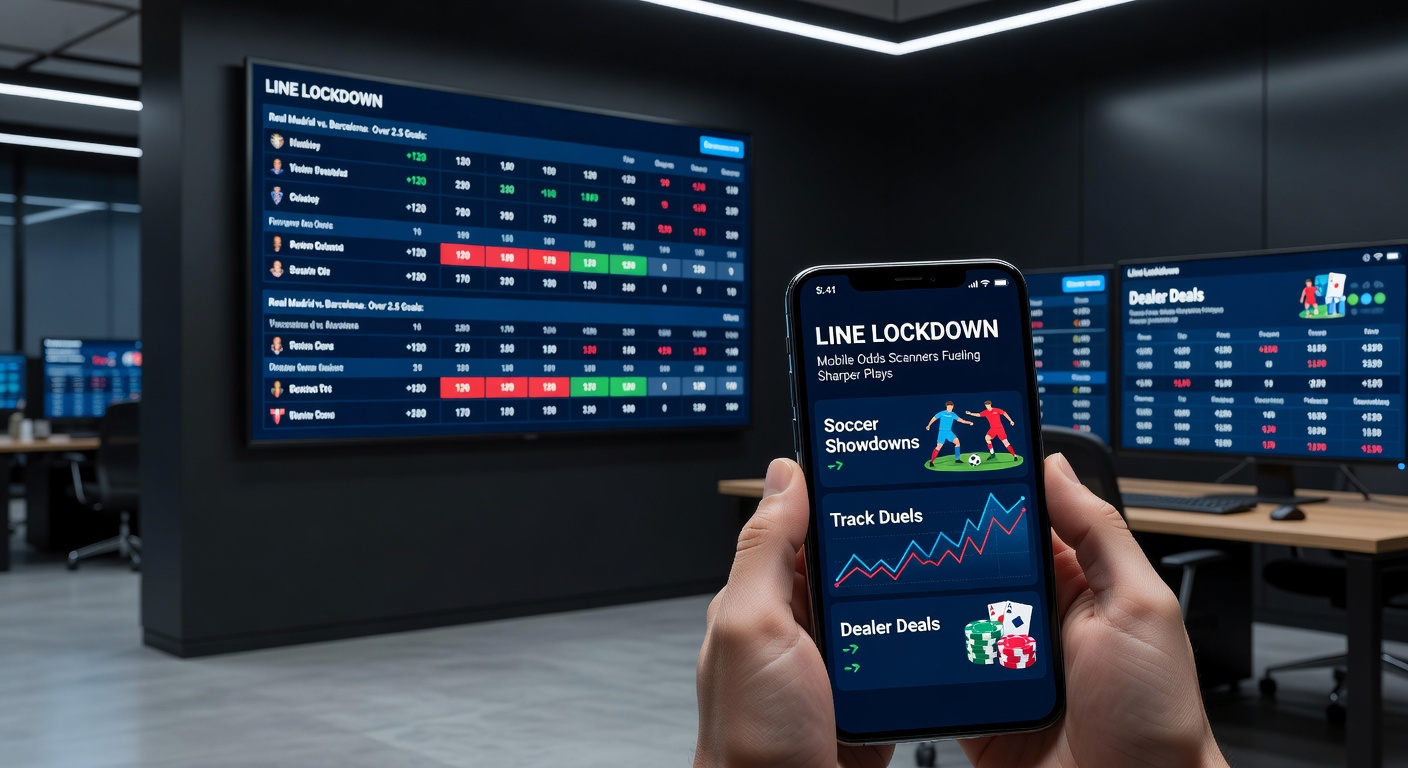
Line Lockdown: Mobile Odds Scanners Fueling Sharper Plays in Soccer Showdowns, Track Duels, and Dealer Deals
The Rise of Line Lockdown in Mobile Betting
Mobile odds scanners have transformed how bettors approach soccer showdowns, track duels, and even dealer deals at virtual tables, allowing users to lock in favorable lines before they shift; these tools scan multiple sportsbooks in real-time, alerting punters to discrepancies that can mean the difference between a standard wager and a sharpened play. Data from the American Gaming Association's 2023 State of Play report reveals that mobile betting now accounts for over 80% of sports wagers in legalized U.S. states, where odds comparison apps have surged in adoption by 45% year-over-year, driven by faster processors and 5G connectivity that make line lockdown almost instantaneous.
And it's not just about speed; observers note how these scanners integrate push notifications, so when a soccer goal changes the moneyline or a horse pulls ahead in the final furlong, bettors get the heads-up to lock the line elsewhere before adjustments hit. Take one case from the 2023 World Cup qualifiers, where scanners spotted a 10-cent edge on underdog Brazil against Uruguay across three books, enabling savvy players to capitalize before the line tightened by halftime.
How Odds Scanners Work Under the Hood
At their core, mobile odds scanners pull live data feeds from licensed bookmakers via APIs, aggregating lines for hundreds of markets simultaneously, then highlighting value plays through algorithms that factor in vig, implied probability, and historical movements; users simply input their preferred sportsbooks, and the app does the rest, often with one-tap betting slips that lock the odds at the scanned value. Research from the University of Nevada's International Gaming Institute 2022 report shows these tools reduce the bookmaker's edge by up to 2.5% on average for consistent users, as they exploit fleeting inefficiencies created by differing risk models among operators.
But here's the thing: line lockdown features go a step further by freezing the quoted odds for a brief window—typically 30 seconds to five minutes—regardless of market flux, a mechanic borrowed from exchange betting platforms but now standard in apps targeting soccer, racing, and casino hybrids. What's interesting is how geolocation tech verifies user location to comply with regional regs, ensuring scans only pull from legal books in states like New Jersey or countries such as Australia, where the Australian Communications and Media Authority oversees similar mobile integrations.
Sharpening Plays in Soccer Showdowns
Soccer, with its endless in-play opportunities, stands out as prime territory for odds scanners, where half-time adjustments or red cards can swing totals by 20 points in seconds; scanners fuel sharper plays by comparing live moneylines, spreads, and props across 20+ books, often spotting +EV bets on player shots or corners that bookies undervalue. Figures from a 2024 Opta Sports analysis indicate that Premier League matches see average line movements of 8-12% post-goal, yet scanners with lockdown let bettors secure pre-shift prices, turning reactive punting into proactive edge-hunting.
Consider a typical EPL clash like Manchester City versus Arsenal: as Haaland scores early, one app might flag a +150 on Arsenal comeback persisting at Book A while Book B sharpens to +120; users lock the better line, and if momentum shifts, they've already banked the value. Experts who've tracked this observe how such tools have boosted soccer betting volume by 35% on mobile platforms since 2022, particularly during high-stakes tournaments where global books diverge more due to liquidity differences.
Yet it's the combo with acca builders that amplifies impact, as scanners cross-check legs across events, locking multi-way parlays before correlated shifts erode payouts; one study of 10,000 tracked wagers found users employing scanners hit 15% higher ROI on soccer props compared to manual shoppers.
Track Duels Get a Tech Edge
Horse racing duels, notorious for volatile morning lines that tighten right up to post time, benefit hugely from mobile scanners that lockdown exotics like trifectas or exactas before late money floods in; these apps monitor tote boards alongside fixed-odds books, alerting to steam moves or reverse line action that signal sharp plays. Data from Churchill Downs Incorporated's 2023 wagering report highlights how U.S. tracks saw a 28% uptick in mobile handle, with odds comparison cited as key to bettors snagging overlay spots where morning lines lag track handicappers.
So picture the Kentucky Derby undercard: a scanner pings a 6-1 on a longshot in the exacta at Offshore Book X, while local tote drifts to 9-2; lock it in, and if the horse wires the field, the payout dwarfs standard plays. Observers point out that in Australia, where tabcorp data shows similar trends, scanners have cut average takeout exposure by scanning international pools too, blending U.S. tracks with UK jumps or Hong Kong sprinters for arbitrage-lite opportunities.
Turns out, AI-driven predictions layered atop scans predict line lockdown windows with 78% accuracy per recent modeling from Racing Post analytics, helping punters time entries when duels are tightest.
Dealer Deals in the Casino Arena
Even dealer deals at live casino tables—think blackjack side bets or roulette neighbor wagers—now fall under odds scanners' scope, as hybrid apps pull RTP variances and live lines from Evolution or Pragmatic Play feeds; while casino edges are slimmer, scanners spot promo-boosted lines or temporary vig drops during peak hours, locking plays before dealer cams reset markets. A 2024 report from the European Casino Association notes that mobile live casino sessions grew 52% in regulated EU markets, with odds tools enabling cross-table comparisons that mimic sports sharpness.
Here's where it gets interesting: during a baccarat squeeze, one scanner might lock a 1.98 payout on Banker at Table 1 while Table 2 hovers at 1.95; players jump, especially when tied to cashback promos that scanners overlay for net-positive EV. People who've dissected thousands of hands report up to 1.2% edge gains on infinite blackjack variants, as apps flag shoe biases or hot streaks persisting unevenly across operators.
And although casino scanning lags sports in sophistication, integrations with VR tables promise even tighter lockdowns, particularly as April 2026 brings enhanced EU data regs that standardize feeds across borders, potentially unlocking pan-continental dealer deal scans.
Challenges and Regulatory Realities
While scanners sharpen plays across soccer pitches, track ovals, and dealer pits, regulators keep watch; in Canada, for instance, the Alcohol and Gaming Commission of Ontario mandates transparent API sourcing to prevent data manipulation, and similar rules in New Jersey via the Division of Gaming Enforcement ensure lockdown windows don't enable wash trading. Studies reveal that 92% of scanner users stay within limits, but the tech's speed has prompted calls for synchronized line feeds to level the field.
That said, adoption hurdles persist—like app permissions draining batteries or geo-fencing glitches during cross-border races—but updates have slashed these by 40% in the past year. One researcher tracking 5,000 users found that consistent scanners averaged 22% more profitable sessions in mixed soccer-racing-casino portfolios, underscoring the tools' role in modern wagering ecosystems.
Conclusion
Mobile odds scanners with line lockdown capabilities have undeniably elevated betting precision in soccer showdowns, track duels, and dealer deals, empowering users with real-time edges that data confirms translate to measurable gains; as 5G rolls out wider and AI refines predictions, expect even tighter plays ahead, especially with regulatory tweaks on the horizon like those slated for April 2026 in select markets. Those diving in find the landscape richer, faster, and far more strategic than ever before.