Linking Rapid Transaction Methods with Dynamic Odds Scans and Assistance Channels Across Mobile Live Football, Racing Circuits, and Casino Tables
David Becker · Jul 26, 2026
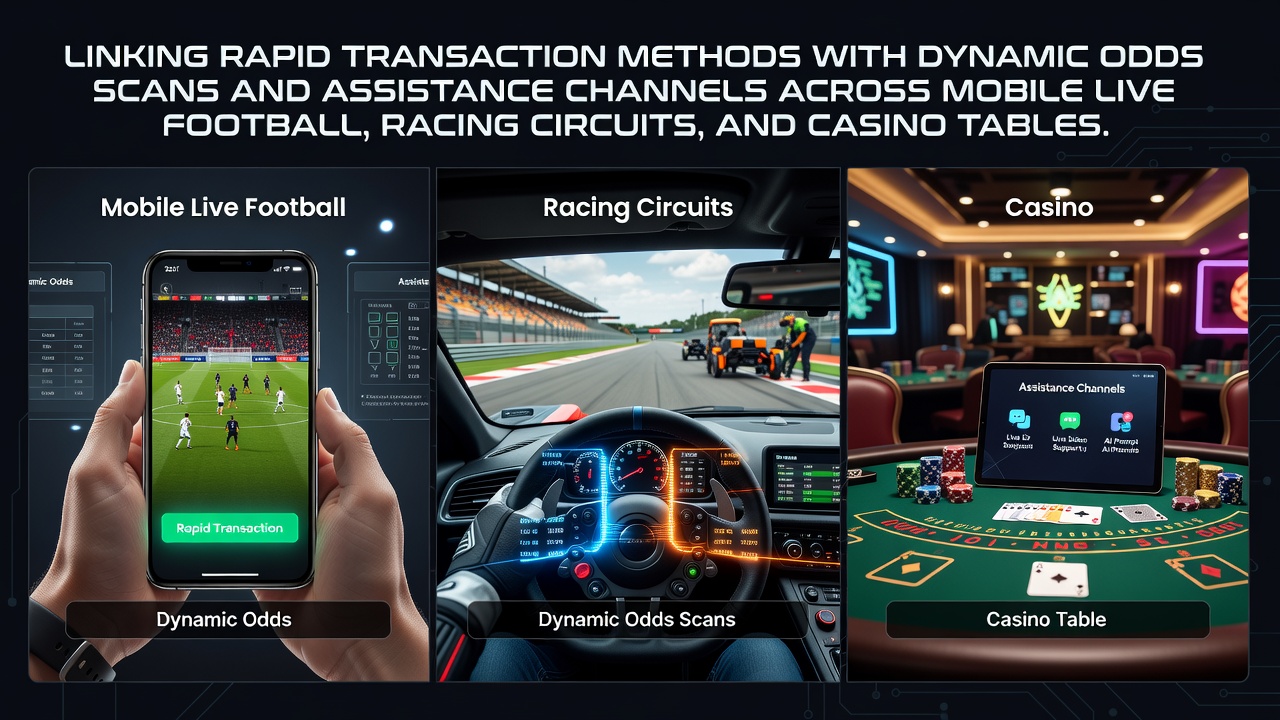
Mobile Betting Ecosystems: Bridging Instant Payments, Dynamic Odds Tools, and Support Channels in Football, Racing, and Casino Environments
Platforms that connect rapid transaction methods with dynamic odds scanning tools and assistance channels have expanded across mobile applications for live football matches, racing circuits, and casino tables. These systems allow users to move funds quickly while monitoring shifting probabilities and accessing help during active sessions. Data from industry reports show increased adoption rates as operators integrate these components into single mobile interfaces. Operators achieve this linkage through application programming interfaces that sync payment processors with real-time odds engines. When a user completes a deposit via digital wallet or bank transfer, the system immediately updates available betting options and displays adjusted lines without requiring page reloads. Research from the European Gaming and Betting Association indicates that such integrations reduce average transaction times to under 10 seconds in many cases during peak events. Dynamic odds scans function by pulling data from multiple bookmakers and exchanges simultaneously. Users receive alerts on line movements in football matches, track odds for specific horses at circuits, or table game probabilities in casino sections. These scans connect directly to transaction ledgers so that confirmed deposits unlock the latest probability sets without delay. Assistance channels enter the flow through in-app chat or voice options that activate when users flag discrepancies between scanned odds and their placed wagers.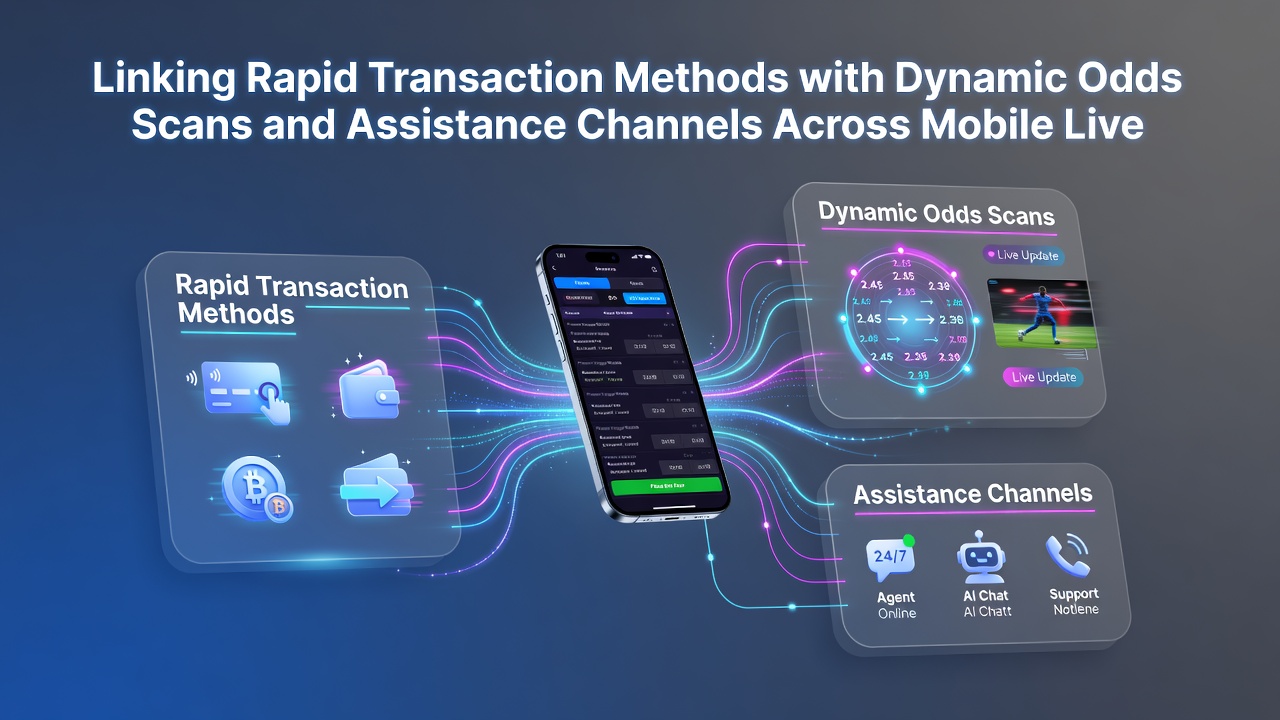
Platforms that connect rapid transaction methods with dynamic odds scanning tools and assistance channels have expanded across mobile applications for live football matches, racing circuits, and casino tables. These systems allow users to move funds quickly while monitoring shifting probabilities and accessing help during active sessions. Data from industry reports show increased adoption rates as operators integrate these components into single mobile interfaces. Operators achieve this linkage through application programming interfaces that sync payment processors with real-time odds engines. When a user completes a deposit via digital wallet or bank transfer, the system immediately updates available betting options and displays adjusted lines without requiring page reloads. Research from the European Gaming and Betting Association indicates that such integrations reduce average transaction times to under 10 seconds in many cases during peak events. Dynamic odds scans function by pulling data from multiple bookmakers and exchanges simultaneously. Users receive alerts on line movements in football matches, track odds for specific horses at circuits, or table game probabilities in casino sections. These scans connect directly to transaction ledgers so that confirmed deposits unlock the latest probability sets without delay. Assistance channels enter the flow through in-app chat or voice options that activate when users flag discrepancies between scanned odds and their placed wagers.Transaction Speed and Platform Connectivity
Payment gateways now embed within betting applications to support instant deposits and withdrawals across football live markets, racing in-play options, and casino table streams. Systems route funds through verified channels that comply with regional financial rules, then feed confirmation signals to odds modules. Observers note that this setup maintains session continuity because users stay within one interface rather than switching between banking apps and betting screens. In racing circuits, mobile tools scan tote and bookmaker odds while processing quick deposits for upcoming races. The same architecture applies to casino tables where live dealer feeds update after each hand, and transaction histories appear alongside current probabilities. Figures from a 2025 University of Nevada study on gaming technology reveal that integrated payment-odds systems handle over 2 million daily transactions in major markets without reported latency spikes. Assistance channels support these processes by routing queries to specialized teams familiar with both payment disputes and odds calculations. When a rapid transaction fails to reflect in scanned odds, support staff access shared dashboards to verify status and adjust user views accordingly.Odds Scanning Mechanics Across Live Environments
Dynamic odds scanning relies on algorithms that process incoming data streams from event tracking services. In football applications, scans capture goal probabilities, corner counts, and player performance metrics updated every few seconds. Racing circuit tools monitor pace data and jockey changes to recalculate win and place odds on the fly. Casino table modules track card distributions and bet patterns to present house edge variations in real time. These scanning functions link to transaction methods by validating account balances before displaying updated lines. A deposit processed through a linked card or cryptocurrency wallet triggers an immediate refresh of available markets. The connection prevents users from viewing odds they cannot yet act upon due to insufficient funds. Support channels receive notifications when scans detect unusual market shifts, enabling proactive outreach. Staff members guide users through verification steps that keep transactions moving while odds continue to evolve.