Payment Network Synergies Elevating Real-Time Odds Precision and Support Access in Football, Equine Sports, and Virtual Casino Experiences
Jakob Frank · Jul 12, 2026
Payment Network Synergies Elevating Real-Time Odds Precision and Support Access in Football, Equine Sports, and Virtual Casino Experiences
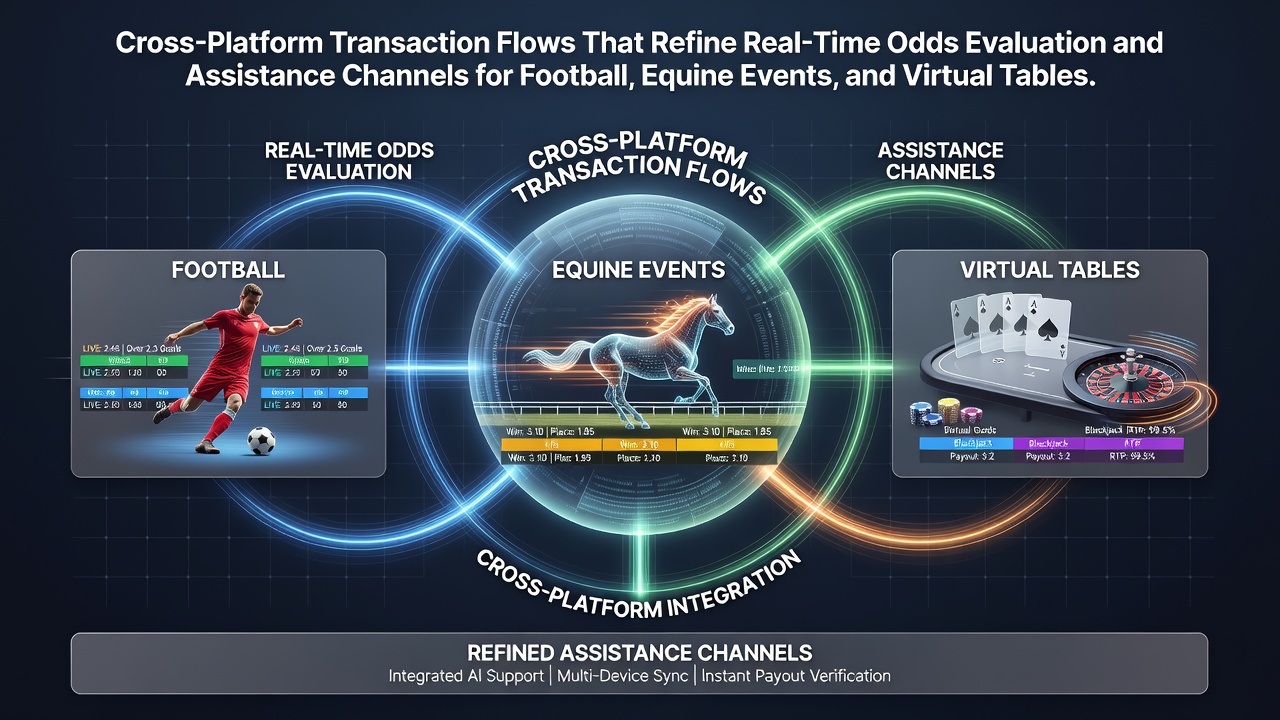
Modern betting platforms rely on interconnected payment networks that process deposits and withdrawals across multiple devices while simultaneously feeding transaction data into live odds engines. These systems allow operators to adjust probabilities for football matches, equine events, and virtual table games without interrupting player sessions. Transaction logs capture betting volumes in real time, enabling algorithms to recalculate odds based on liquidity shifts that occur within seconds of a deposit confirmation.
Transaction Flows Across Major Betting Categories
Football markets generate high-frequency micro-transactions during matches, where in-play wagers on goals, corners, and cards require immediate fund verification before odds update. Equine events operate on longer cycles yet still demand rapid settlement of place and win bets once races conclude, with cross-platform wallets transferring winnings directly into accounts that support further wagers on virtual tables. Virtual table environments, including roulette and blackjack simulations, process thousands of small stakes per minute, and unified payment rails ensure that balance changes register instantly across all three verticals.
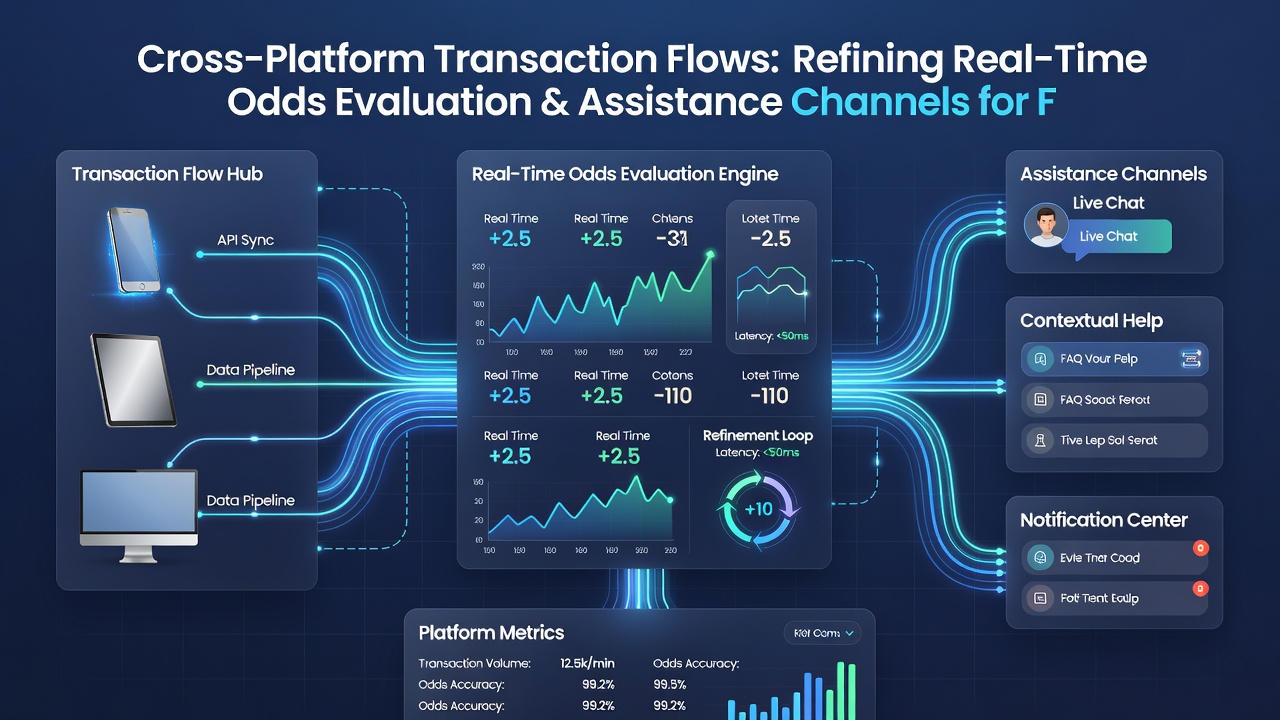
Operators integrate APIs from banking partners and digital wallet providers to create single ledgers visible to both financial teams and risk engines. When a large deposit arrives during a Premier League fixture, the system flags the increased exposure and tightens odds on related outcomes within the same platform session. Similar mechanisms apply to horse racing where ante-post bets on major festivals influence live odds once the race starts, while virtual tables adjust payout ratios based on aggregate player activity recorded through the same transaction pipeline.
Real-Time Odds Evaluation Mechanisms
Odds calculation engines pull live data feeds from payment processors to measure incoming stake distribution. This approach replaces static models with dynamic ones that factor in current wallet balances and pending withdrawals. Research from the Responsible Gambling Council shows that platforms using synchronized transaction data achieve faster margin stabilization during peak periods. In July 2026, several operators plan to deploy enhanced reconciliation protocols that align settlement times across football, racing, and virtual products to under three seconds.
One case involved a major tournament weekend where sudden deposit surges on underdog selections triggered automatic odds compression before kickoff. The same infrastructure monitors equine betting pools, adjusting starting prices when cross-border transfers concentrate on specific runners. Virtual table providers apply identical logic, shifting house edges when transaction velocity indicates coordinated play across multiple accounts.
Assistance Channels Tied to Payment Activity
Customer support systems now link directly to transaction histories, allowing agents to verify account status without requiring players to repeat details. When a deposit fails during a live football market, the platform routes the query to a specialized team equipped with payment logs and current odds exposure. Equine bettors receive similar assistance when withdrawals coincide with race results, while virtual table users access instant chat functions that reference recent spin or hand histories pulled from the same data stream.
Industry reports from the European Gaming and Betting Association indicate that integrated support reduces average resolution time by 40 percent compared with siloed systems. Agents view unified dashboards displaying deposits, bets placed, and current odds, which helps address disputes over settled wagers in all three categories. Automated alerts notify support staff when transaction patterns deviate from established norms, prompting proactive outreach before players escalate issues.
Technical Integration and Future Developments
Cloud-based ledgers form the backbone of these flows, connecting mobile apps, desktop clients, and kiosk terminals into a single transaction layer. Encryption standards ensure that financial data remains isolated from odds engines while still permitting anonymized volume statistics to influence probability models. Developers continue to refine latency benchmarks, targeting sub-second updates for football in-play markets and near-instant adjustments for virtual table outcomes.
Regulatory updates scheduled for mid-2026 in several jurisdictions emphasize audit trails that span payment initiation through final odds settlement. These requirements encourage further convergence between financial rails and betting engines, particularly for operators handling multi-category portfolios. Observers note that platforms already testing unified APIs report fewer reconciliation errors when handling simultaneous football accumulators, racing exotics, and virtual table sessions.
Conclusion
Cross-platform transaction systems continue to reshape how operators manage real-time odds and player assistance across football, equine events, and virtual tables. Data synchronization between payments and risk models delivers measurable improvements in response speed and accuracy. As infrastructure matures through 2026, the same frameworks are expected to support expanded product ranges while maintaining consistent service levels regardless of device or vertical selected by the user.