Payment Systems Integration with Odds Platforms and Support Networks in Football, Racing, and Casino Activities
Nils Reed · Jul 17, 2026
Payment Systems Integration with Odds Platforms and Support Networks in Football, Racing, and Casino Activities
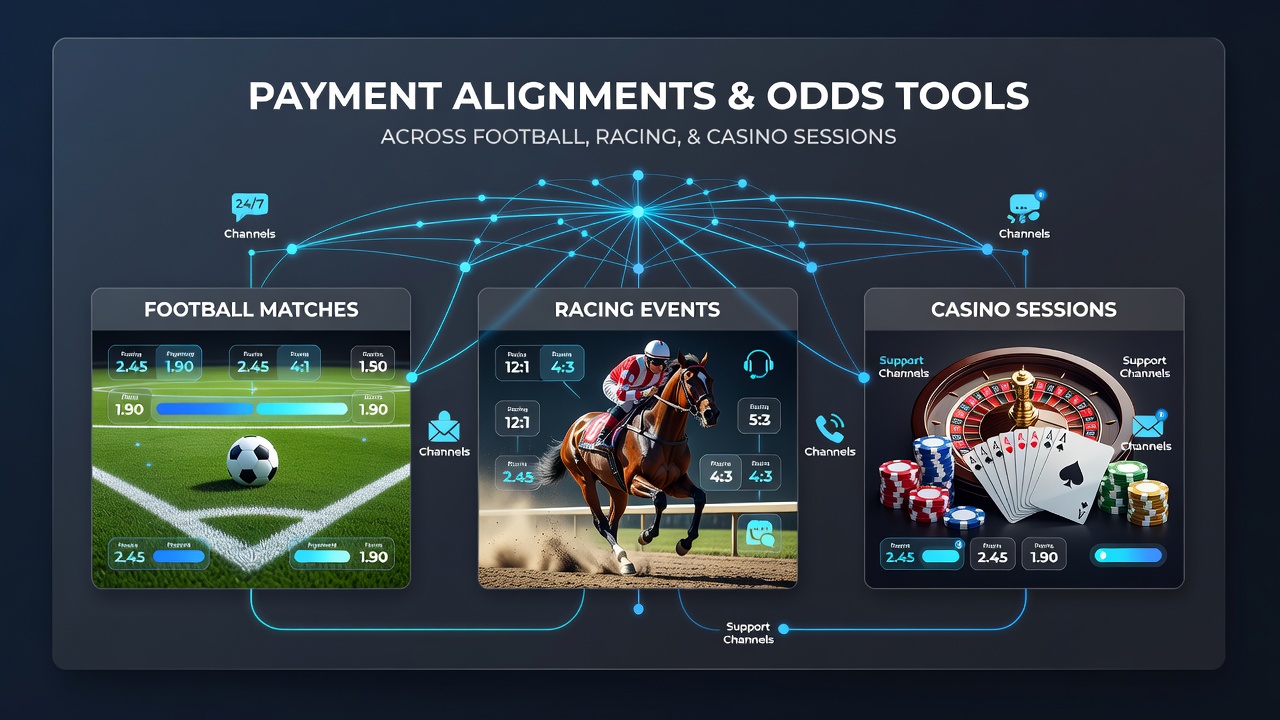
Payment processing systems now connect directly with odds calculation engines and customer assistance channels, creating coordinated workflows that operate across football matches, racing fixtures, and casino environments; these alignments allow transaction data to feed into real-time probability updates while routing user queries to appropriate support teams without separate logins or platform switches.
Core Components in Football Match Environments
Football betting platforms link deposit and withdrawal functions to live odds tools through application programming interfaces that update stake limits and payout projections within seconds of market movements, while support teams receive automated alerts when payment delays coincide with in-game events such as goals or red cards. Data from transaction logs flows into odds adjustment modules, enabling operators to recalibrate spreads based on betting volume patterns that emerge during matches.
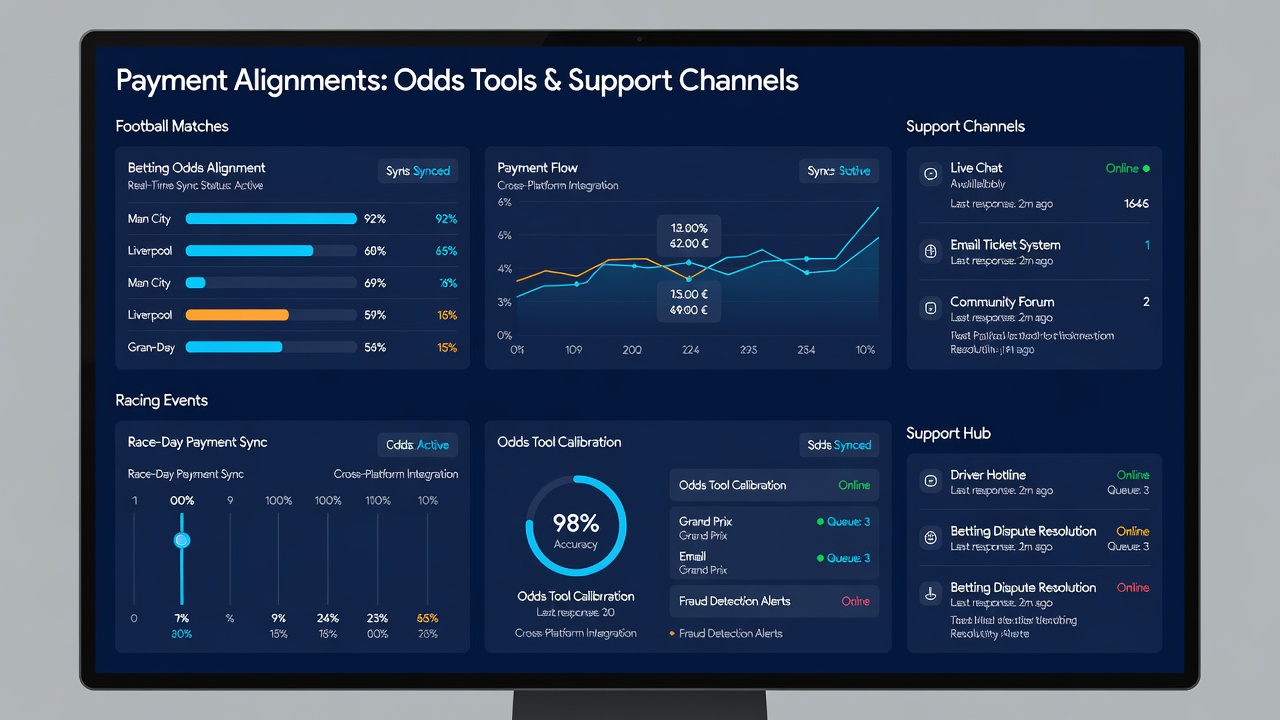
Support channels receive context from payment records and odds histories simultaneously, allowing agents to address issues like failed deposits that affect live wager placement without requiring users to repeat details across multiple departments. Systems track these interactions through unified dashboards that display both financial status and current match probabilities side by side.
Alignment Mechanisms in Racing Events
Racing platforms coordinate payment gateways with odds calculators that incorporate track conditions, horse performance metrics, and pool sizes, so that deposit confirmations trigger immediate access to updated fractional or decimal odds displays. When large wagers process successfully, the odds engines reflect liquidity changes across win, place, and exotic bet types without manual intervention from operators.
Customer support receives integrated feeds that combine payment verification timestamps with racing schedule data, helping resolve queries about unsettled bets or bonus allocations during tight race windows. This setup reduces transfer times between financial verification and odds consultation, particularly during multi-race sequences where timing affects both funding and market access.
Integration Patterns in Casino Sessions
Casino environments connect payment processors to random number generator outputs and odds tables for table games and slots, allowing real-time balance updates that influence available bet sizing tools. Support personnel access combined views of transaction histories and game session metrics, enabling them to guide users through verification steps while referencing current payout structures.
These alignments extend to progressive jackpot systems where payment inflows adjust contribution rates and displayed odds for linked machines, while support channels monitor for discrepancies between credited amounts and displayed probabilities. July 2026 implementations across multiple jurisdictions have standardized data exchange protocols that further tighten these connections between financial rails and game mathematics.
Cross-Activity Data Flows and Technical Standards
Unified account systems now permit payment information to populate odds preference settings across all three categories, so that a user's deposit method preferences influence default stake calculators whether the activity involves football accumulators, racing exotics, or casino side bets. Support routing algorithms use this shared data to direct inquiries to specialists familiar with the relevant payment processor and odds format.
Industry reports from the Nevada Gaming Control Board document how these technical linkages have reduced average resolution times for payment-related odds disputes. Research published through the Australian Institute of Criminology similarly tracks how integrated channels affect user retention metrics when financial and probability tools operate from single interfaces.
Operational Impacts Across Categories
Operators report that synchronized payment and odds systems decrease the volume of support tickets that require escalation, because initial agents already hold visibility into both transaction status and market conditions at the time of contact. Football match surges, racing card openings, and casino peak hours each trigger distinct load patterns that the aligned systems accommodate through preemptive resource allocation.
Payment confirmation speeds directly influence the accuracy of displayed odds during high-volume periods, since delayed funds cannot participate in liquidity calculations until cleared. Support protocols incorporate these timing dependencies, providing scripted responses that reference both financial processing estimates and current odds stability indicators.
Conclusion
The documented connections between payment processing, odds platforms, and support infrastructure continue to evolve through standardized data protocols that span football, racing, and casino domains, with implementation details varying by operator and jurisdiction while maintaining consistent functional outcomes in transaction visibility and query handling.