Streamlining Authentication Sequences with Payment Initiations to Trigger Multi-Tiered Rewards in Mobile Betting Environments Across Athletic Fields, Speedway Loops, and Simulated Gaming Platforms
Nils Reed · Jul 8, 2026
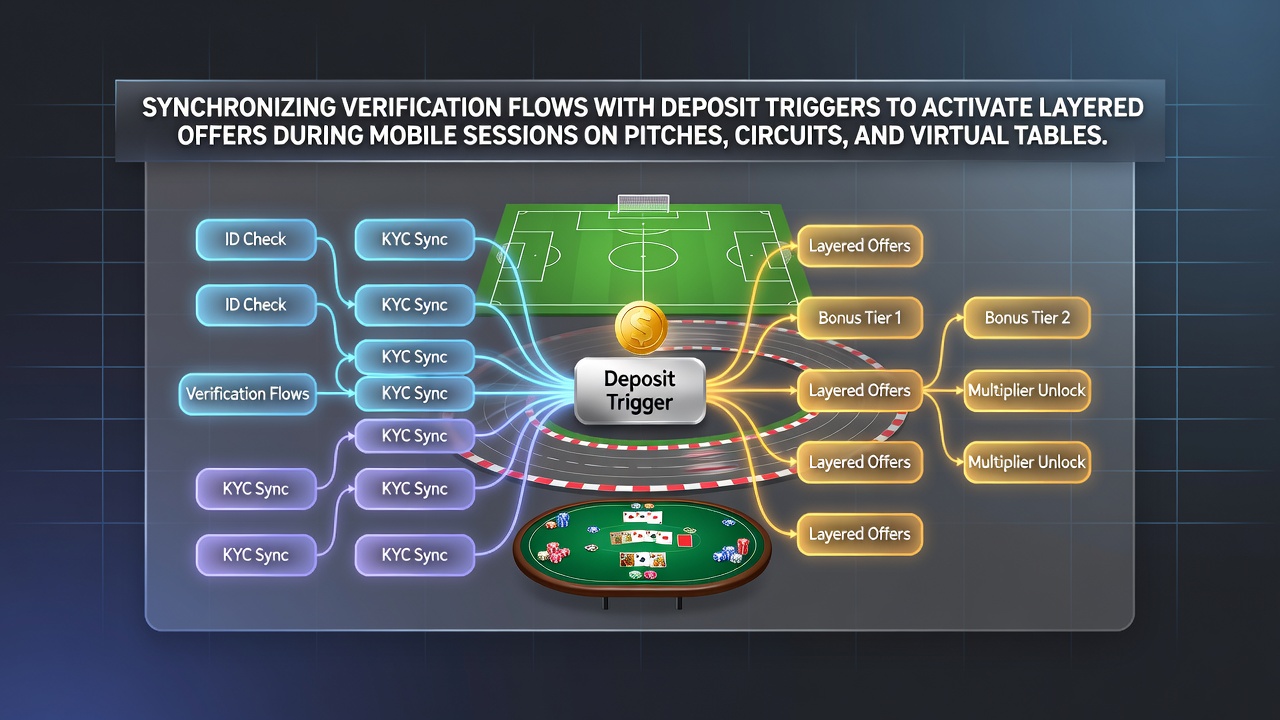
Streamlining Authentication Sequences with Payment Initiations to Trigger Multi-Tiered Rewards in Mobile Betting Environments Across Athletic Fields, Speedway Loops, and Simulated Gaming Platforms
Operators coordinate user authentication sequences directly with initial funding steps so that layered promotional structures activate automatically once mobile sessions begin on athletic fields, speedway loops, and simulated gaming platforms. Data indicates these coordinated flows reduce processing delays while ensuring compliance checkpoints align with transaction triggers. Figures from industry monitoring reveal that such synchronization supports seamless engagement whether users place wagers during live matches on pitches or monitor real-time odds at racing circuits.
Core Mechanics of Coordinated Verification and Deposit Flows
Systems link identity confirmation steps to deposit commands through backend protocols that monitor session states in real time. When a mobile application detects an incoming payment request, it cross-references stored verification data before releasing funds and simultaneously unlocking initial reward tiers. Observers note that this linkage prevents separate authentication loops that previously interrupted user momentum during high-action periods such as track sprints or virtual dealer rotations. Research from academic studies on transaction security shows these integrated sequences maintain audit trails without adding visible friction to the interface.
Layered offers typically include deposit-matched credits, risk-free wager tokens, and progressive cashback structures that unlock sequentially as users meet predefined activity thresholds. The synchronization ensures each subsequent layer activates only after the prior verification milestone clears, creating a chained progression that follows user behavior across different betting verticals. Those who analyze platform logs report fewer abandoned sessions when these triggers operate in tandem rather than as isolated modules.
Application in Field Sports, Racing Circuits, and Virtual Tables
On athletic pitches, mobile sessions often involve rapid in-play adjustments during ongoing matches, where verification synchronized with deposits allows instant activation of time-sensitive promotions tied to specific game events. Users complete funding steps while the system confirms identity in the background, enabling layered offers such as boosted odds or streak bonuses to apply immediately. Evidence from operational reports indicates this approach supports continuous engagement without requiring users to pause and re-authenticate midway through live sequences.
At racing circuits, timing becomes critical during short intervals between events, so deposit triggers initiate verification checks that then release cumulative reward layers based on wager volume or frequency. Platforms record these activations against session metadata, allowing offers to evolve dynamically as users shift between different race types or bet formats. Studies found that such coordination correlates with higher completion rates for multi-step promotions compared to systems that handle verification and payments separately.
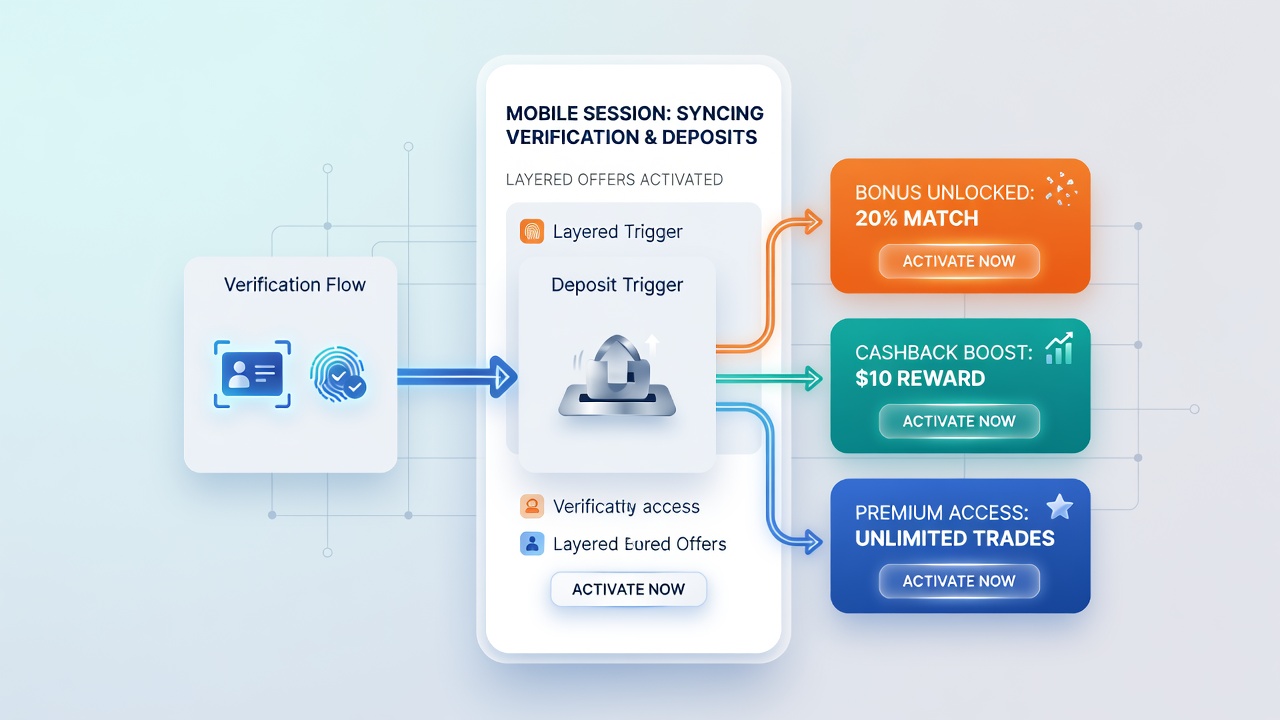
Virtual tables present another context where simulated environments demand fluid interactions, and the same synchronization model applies by tying authentication confirmations to deposit events that unlock tiered incentives like extended play credits or multiplier enhancements. Data shows these mechanisms function consistently across device types, maintaining offer progression even when users transition between portrait and landscape modes during extended sessions. According to findings from the American Gaming Association's 2025 operational review, platforms implementing such flows observed measurable improvements in user retention metrics during peak activity windows.
Technical Integration and Regulatory Context Through Mid-2026
Developers embed application programming interfaces that monitor deposit events and route them through verification engines before offer engines receive clearance signals. This architecture supports conditional logic that scales reward depth based on factors such as account age, prior activity patterns, and jurisdictional requirements. Updates scheduled for implementation around July 2026 incorporate enhanced encryption standards that further secure the data exchange between verification and payment modules without lengthening processing intervals.
Regulatory frameworks in multiple regions emphasize the need for transparent trigger mechanisms, and platforms adapt their flows accordingly to meet reporting obligations. Industry organizations including the European Gaming and Betting Association have documented how synchronized systems facilitate compliance documentation while preserving user experience continuity. External analyses from the University of Nevada's gaming research division highlight that these technical alignments reduce discrepancies in promotional fulfillment logs across different betting categories.
Conclusion
Coordinated verification and deposit processes form a foundational element that enables layered offers to activate reliably during mobile sessions on pitches, circuits, and virtual tables. The approach integrates authentication checkpoints with transaction events to support progressive reward structures without introducing operational bottlenecks. As platforms refine these flows ahead of mid-2026 enhancements, the underlying architecture continues to align technical capabilities with regulatory expectations across varied betting environments.