Syncing Signals: Mobile Interfaces That Match Dynamic Probabilities to Welcome Incentives in Football, Horse Events, and Casino Play
Nils Lang · Jul 15, 2026
Syncing Signals: Mobile Interfaces That Match Dynamic Probabilities to Welcome Incentives in Football, Horse Events, and Casino Play
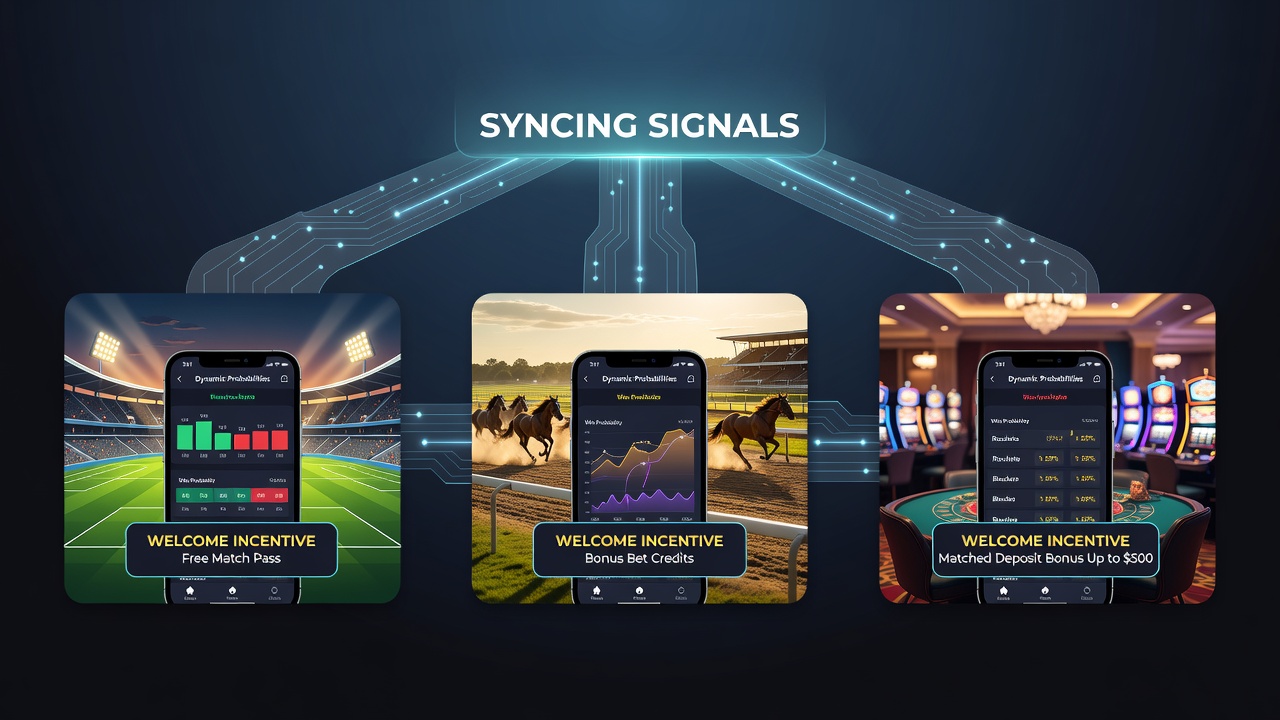
Modern mobile platforms now connect live probability feeds directly to user incentive structures across football matches, horse racing events, and casino environments, creating interfaces that adjust welcome offers in response to shifting data streams. Developers achieve this through layered APIs that pull odds calculations from multiple sources while simultaneously updating eligibility parameters for initial deposit matches and free play credits.
Interface Architecture and Data Flow
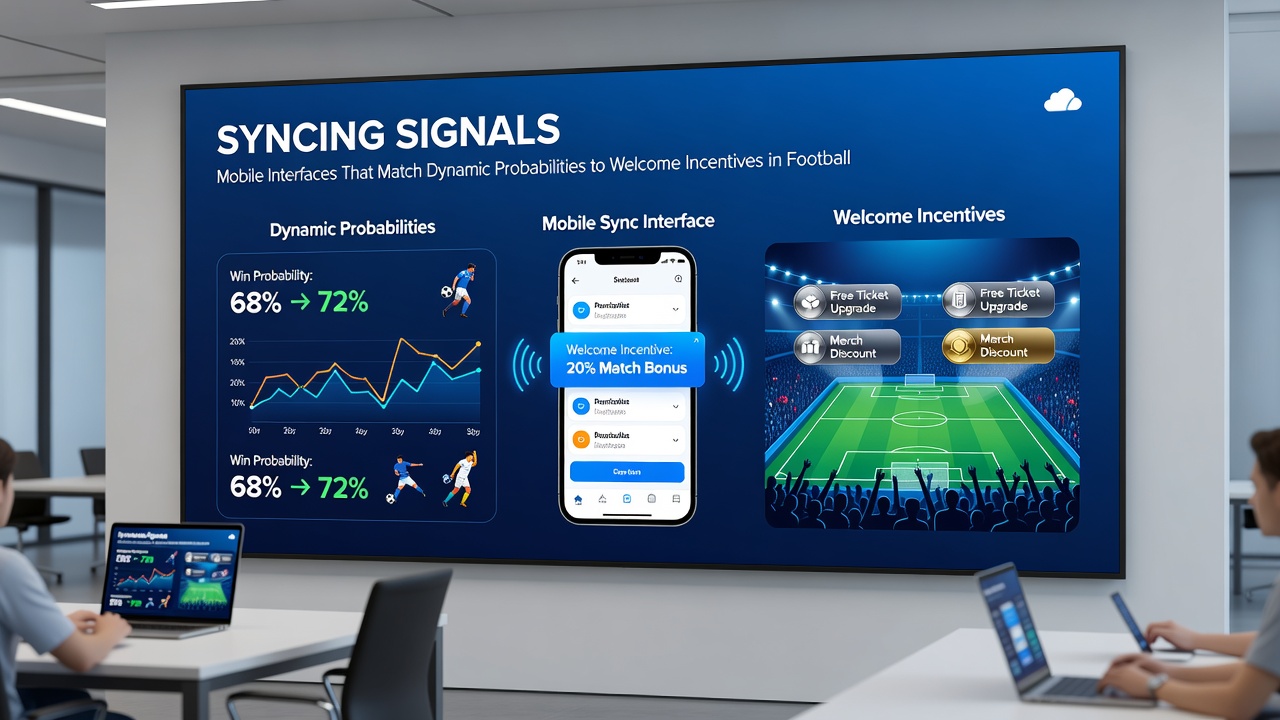
These systems rely on event-driven architectures where probability engines broadcast updates every few seconds during active events, and the interface layer maps those changes to bonus multipliers or unlock thresholds without requiring separate user actions. Observers note that synchronization occurs via WebSocket connections, allowing the display to reflect both the current likelihood of outcomes and the corresponding incentive values in a single view. In practice, a user viewing a football match sees the probability of a specific team scoring next alongside an adjusted cashback percentage that rises or falls with those odds.
Application in Football Matches
During live football fixtures, mobile interfaces track variables such as possession percentages, shot accuracy rates, and player substitution impacts, then recalibrate welcome bonus components accordingly. Research from the University of Nevada Reno Gaming Research Center indicates that real-time probability models integrated into betting apps can process over 200 data points per minute, enabling the system to offer tiered deposit incentives that scale with match volatility. One documented case involved a platform adjusting a new user's initial free bet amount upward when underdog probabilities increased mid-game, maintaining the incentive within regulatory caps set by regional authorities.
Handling Horse Racing Dynamics
Horse racing applications extend the same principle to pre-race and in-running scenarios where track conditions, jockey changes, and pace projections alter win probabilities continuously. Interfaces here often display probability curves for each runner while overlaying welcome incentive timers that extend or contract based on those curves, allowing new users to claim matched deposits tied to specific race outcomes. Data compiled by the Australian Institute of Gambling Research shows that such syncing reduces latency between odds movement and bonus presentation to under 800 milliseconds on average across major racing circuits.
Casino Environment Integration
Casino modules within these mobile frameworks apply similar logic to table games and slots, where random number generator outputs influence short-term probability displays that then trigger personalized welcome spins or deposit boosts. The interface pulls from centralized game servers to match session-based volatility readings with incentive availability, ensuring that offers remain active only while probability thresholds align with operator-defined rules. This approach appears in both live dealer streams and automated game sequences, with updates occurring between rounds rather than at fixed intervals.
Technical Synchronization Methods
Engineers implement probability-to-incentive mapping through rule engines that evaluate incoming data against predefined welcome offer matrices, applying weighting factors derived from historical performance across each sport category. These matrices update periodically, with a notable refresh cycle completed in July 2026 that incorporated additional variables for weather impacts in outdoor events and device-specific latency corrections. The result is an interface where users encounter incentives that reflect current conditions rather than static signup terms alone.
Cross-platform consistency remains a focus, as developers test synchronization across iOS and Android environments to ensure identical probability feeds reach the incentive display layer regardless of operating system version. Industry reports from the European Gaming Association highlight that standardized data schemas adopted in early 2026 improved compatibility between probability providers and bonus management systems by approximately 30 percent.
Conclusion
Mobile interfaces continue to refine the connection between dynamic probability calculations and welcome incentive structures, delivering coordinated experiences across football, horse racing, and casino play without separate navigation paths for each element. Ongoing refinements in data transmission protocols and rule evaluation logic support this integration while maintaining compliance boundaries established by various regulatory frameworks.