Wallet Processing Timelines Shape Adjustments in Mobile Racing and Casino Table Games
Jakob Frank · Jul 19, 2026
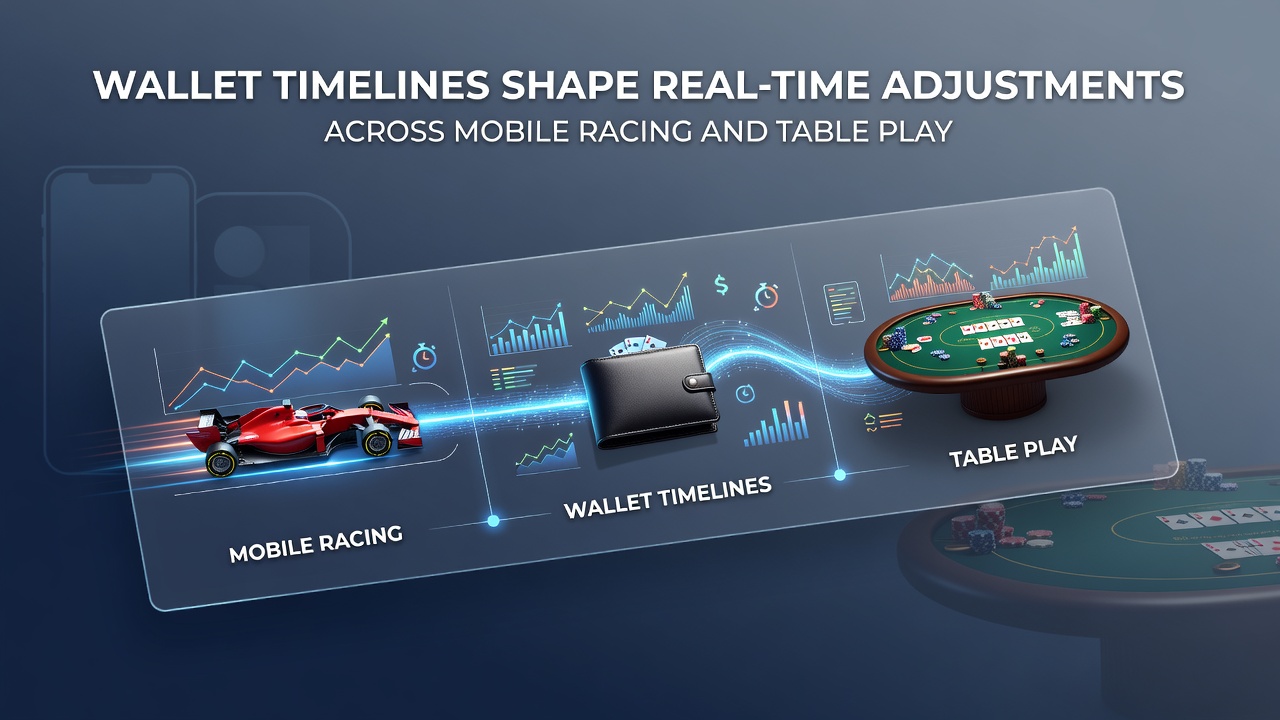
Wallet Processing Timelines Shape Adjustments in Mobile Racing and Casino Table Games
Payment processing cycles in digital wallets determine how quickly users can modify wagers during live mobile racing sessions and table game rounds, according to industry reports on transaction speeds. These timelines range from instantaneous confirmations to delays of several minutes, which directly influence the ability to increase stakes, hedge positions, or switch selections while events unfold on screens. Data from multiple platforms indicates that shorter processing windows correlate with higher volumes of in-play modifications across horse racing applications and virtual dealer tables.
Mechanics of Wallet Integration in Mobile Platforms
Digital wallets connect to betting applications through APIs that verify funds before authorizing changes to active bets, and this verification step sets the pace for real-time decisions. Systems pull balance information at intervals that depend on the payment provider's infrastructure, which means users experience different levels of responsiveness based on the chosen deposit method. Researchers at gaming technology firms have documented cases where instant e-wallet transfers allow bettors to adjust positions within seconds of an odds shift during a race or a card draw, whereas bank-linked methods introduce pauses that limit options.
Observers note that these processing differences become pronounced during peak hours when network loads increase, yet platforms often prioritize certain wallet types to maintain smooth flows. Figures from transaction logs reveal that mobile racing apps record the most frequent stake changes immediately after wallet credits clear, highlighting the direct link between timeline speed and adjustment frequency. Casino table interfaces follow similar patterns, where players can double down or alter side bets once funds appear in their accounts without interruption.
Applications in Mobile Horse Racing Environments
Mobile racing platforms use wallet timelines to support dynamic hedging strategies during live events, such as reallocating funds from one runner to another as track conditions evolve. When deposits process rapidly, bettors can respond to last-minute jockey updates or pace changes by placing additional wagers or cashing out partial amounts. Studies on user behavior show elevated activity in these scenarios compared to slower verification methods that restrict modifications until after key race moments pass.
One documented pattern involves users monitoring multiple races simultaneously, where quick wallet access enables parallel adjustments across different events without losing momentum. Industry data indicates that platforms incorporating faster wallet options see increased engagement metrics during major racing festivals, as participants exploit narrow windows for tactical shifts. These adjustments remain confined to available balances, which reinforces the role of processing speed in determining feasible real-time plays.
Interactions with Table Game Dynamics
Table play on mobile devices incorporates wallet timelines into decisions around splitting pairs, increasing bets, or switching tables mid-session, and faster clearances support more fluid sequences. Data shows that players using instant wallets complete more rounds with modifications per hour than those relying on delayed methods, particularly in blackjack and roulette formats where timing affects outcomes. Regulatory analyses from bodies such as the American Gaming Association highlight how these technical factors influence overall session lengths and transaction patterns across jurisdictions.
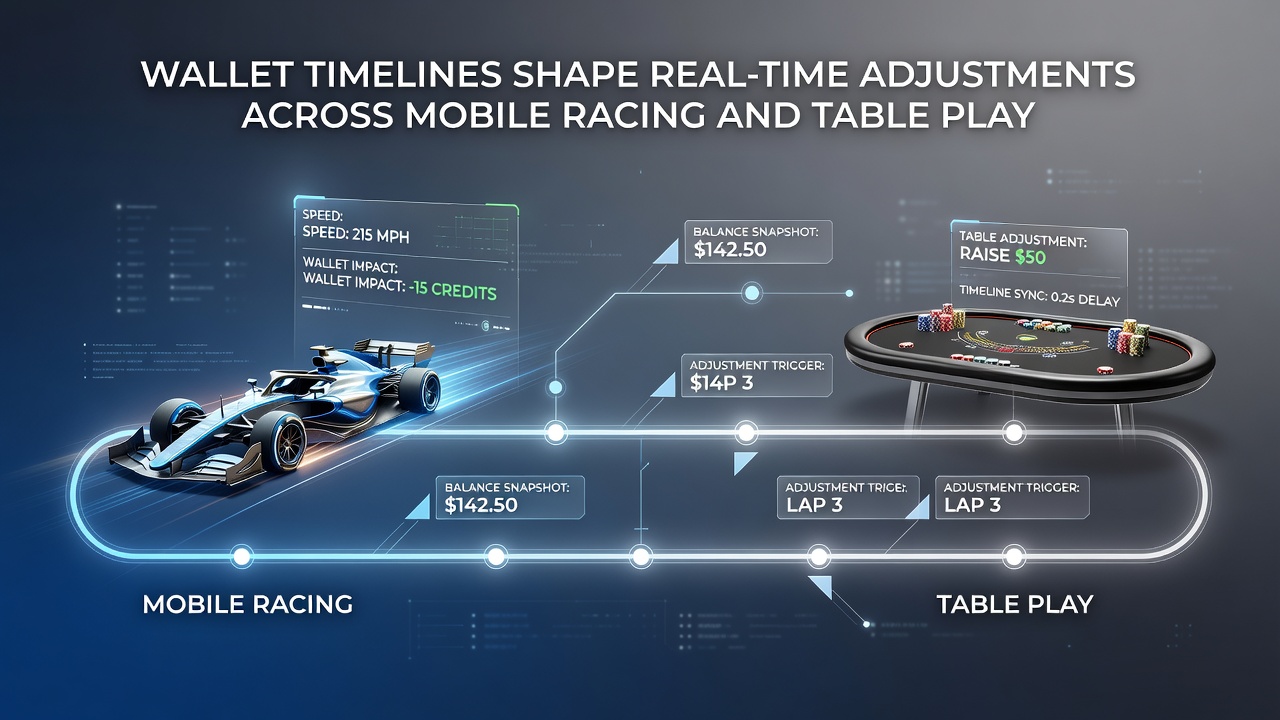
Systems in virtual dealer environments often queue pending transactions visibly, allowing users to anticipate when adjustments become possible. This visibility helps manage expectations during high-stakes sequences, where a brief delay might mean missing an optimal entry point on a new hand or spin. Reports from platform operators confirm that integration of accelerated wallet services reduces instances of abandoned modifications, leading to steadier participation rates in table sections of mobile apps.
Broader System Adaptations and Data Trends
Operators adjust backend algorithms to account for varying wallet timelines, routing high-priority requests through optimized channels that minimize friction during live events. Evidence from performance metrics demonstrates that such adaptations improve retention in racing and table categories alike, as users encounter fewer barriers to executing intended changes. Projections tied to infrastructure upgrades scheduled around July 2026 suggest further reductions in average processing intervals, which could expand the range of feasible real-time tactics available to mobile participants.
International Association of Gaming Regulators materials point to consistent monitoring of these technical elements across regions, with emphasis on how timeline variations affect compliance with responsible gaming parameters. Platforms respond by displaying estimated clearance times alongside wallet options, which informs user choices before events reach critical stages. Transaction records across multiple operators illustrate that seamless wallet performance sustains higher adjustment volumes without compromising system stability.
Conclusion
Wallet processing timelines establish clear parameters for real-time wager adjustments in mobile racing and table environments, with faster cycles enabling more responsive play across both categories. Platform data and regulatory documentation establish measurable connections between transaction speeds and modification frequency, while ongoing technical refinements continue to shape these interactions. These elements operate within established frameworks that prioritize verification accuracy alongside speed, supporting consistent functionality as mobile betting expands.